Reviewing the Welcome SVG Design for Real Embroidery Projects
As a designer who spends more time staring at stitch maps than most people care to admit, I approach every new digital embroidery file with a mix of curiosity and skepticism. When I first pulled up the Welcome SVG Design, my immediate reaction wasn't just about whether it looked cute on a screen; it was about how those vectors would translate into actual thread on fabric. In the world of Crafts and Graphics, there is often a disconnect between a crisp digital preview and the reality of a stitched finished product. This review breaks down how this specific design holds up when moved from the computer to the hoop.
First Impressions and Visual Personality
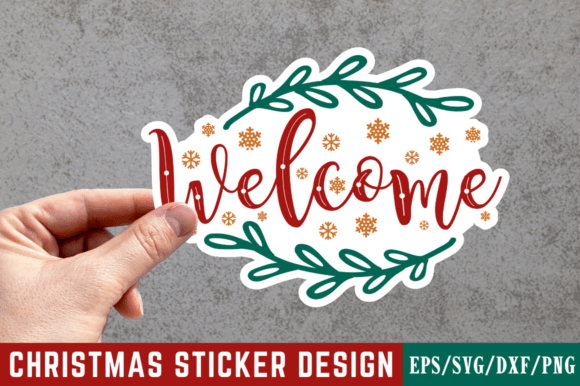
The Welcome SVG Design carries a warm, inviting mood that feels instantly applicable to home decor and personalized gifts. Visually, the layout suggests a balance between bold statement lettering and decorative flourishes. For an Etsy seller or a small shop product creator, first impressions are everything. This design avoids being overly cluttered, which is a massive win. Overly complex designs often turn into nightmares when you are trying to manage thread colors and stitch density on textured materials.
The shape and theme lean towards a classic, timeless aesthetic rather than a fleeting trend. This makes it a versatile asset for your design assets library. Whether you are creating a printable mockup for a client presentation or stitching a real sample, the visual personality reads clearly. It feels like a design meant to be seen from a distance, making it ideal for items like porch signs, large tote bags, or statement sweatshirts where the message needs to pop immediately.
Real-World Application: The Tote Bag Test
To truly evaluate any machine embroidery design, you have to imagine it in a specific scenario. I envisioned using the Welcome SVG Design for a custom order: a set of heavy canvas tote bags for a boutique hotel's welcome kits. This is a common request for craft business owners. Canvas is forgiving, but it has a distinct fabric texture that can swallow fine details.
In this context, the design performs well because its core elements appear robust enough to handle the weave of the canvas. If this were a design with hairline details or microscopic text, it would vanish into the fabric grain. However, the Welcome SVG Design seems to rely on stronger shapes. For a tote bag design like this, the result would likely be a professional-looking handmade product that enhances the brand's perceived value. Guests receiving these bags would feel the quality of the stitch work, translating directly to customer trust and brand consistency.
Versatility Across Different Products
Beyond tote bags, this graphic has potential across a wide spectrum of custom apparel and home goods. Here is how I see it fitting into various projects:
- Sweatshirt Embroidery: The design's likely open spaces would sit beautifully on fleece or French terry without causing the fabric to pucker excessively, provided the stabilizer is chosen correctly.
- Baby Embroidery: Softened color palettes could make this perfect for nursery wall hangings or baby shower gifts, adding a gentle touch to a personalized gift.
- Holiday Embroidery: With seasonal thread swaps, this could easily become a centerpiece for holiday kitchen towels or guest room pillow covers.
- Embroidered Patch: If digitized with a merrow border or satin edge, the central motif could stand alone as a patch for jackets or hats.
The key here is adaptability. A good embroidery project starts with a file that doesn't fight you. The Welcome SVG Design appears to offer that flexibility, allowing creative entrepreneurs to pivot quickly between different product lines without needing to source entirely new graphics.
Technical Considerations and Potential Pitfalls
While the aesthetic is strong, practical execution requires caution. Not every surface is created equal. If you plan to use this on stretchy fabric like a thin cotton t-shirt, you must be vigilant about stabilization. Even a well-balanced design can distort if the fabric moves during stitching. Similarly, placing this on a curved surface like a cap requires careful centering and potentially a different hooping technique to avoid gaps in the fill areas.
Another critical factor is stitch density. If the original vector conversion results in overly dense fills, the design might become stiff and board-like, which is unpleasant for wearable items like sweatshirt embroidery or baby clothes. Conversely, if the density is too low, the backing fabric might show through, especially on dark garments. Before committing to a production run of commercial embroidery items, it is vital to test the design on scrap fabric that matches your final material.
Small details also warrant attention. If the design includes thin connecting lines or tiny decorative elements, these are the first things to break down after frequent washing. For products that need durability, such as aprons or high-use kitchen towels, you might need to adjust the underlay or simplify certain aspects of the applique design or fill work to ensure longevity.
Maximizing Value and Professionalism
Ultimately, the goal of using a file like the Welcome SVG Design is to elevate the perceived value of your work. A clean, well-executed stitchout signals professionalism. It tells the buyer that care was taken in the creation of their personalized gift or purchased item. This attention to detail fosters buyer engagement and encourages repeat business.
For digital product sellers, offering this as part of a bundle or a standalone listing requires clear communication about its best uses. Showing mockups on both light and dark backgrounds helps customers visualize the end result. Remember, the clarity of the stitching directly impacts the finished product's appeal. A muddy or poorly defined design can undermine even the best marketing efforts.
Final Designer Notes and Best Practices
Before you load this file into your machine for a client order, take a moment to run through a quick checklist. These steps separate the hobbyists from the pros:
- Test on Scrap: Always stitch a sample on the exact fabric you intend to use. What looks good on muslin might behave differently on velvet or denim.
- Check Contrast: Review your thread colors against the fabric. High contrast creates impact, while tonal stitching offers subtlety. Ensure the choice matches the intended vibe.
- Verify Hoop Size: Confirm that the design fits within your available hoop size without needing awkward re-hooping, which can lead to alignment issues.
- Inspect Details: Zoom in on the digitized file. Look for unnecessary jumps or trims that could slow down production or create weak points.
- Mockup Testing: Create black and white mockups to ensure the design holds its shape without relying on color to define the forms.
- Licensing Check: Since the source mentions usage for t-shirts and gifts, double-check the specific license terms regarding commercial embroidery and resale limits before selling finished items.
The Welcome SVG Design represents a solid opportunity for makers looking to expand their catalog with something friendly and functional. By approaching it with a critical eye and respecting the technical limitations of embroidery, you can turn a simple graphic into a standout piece of art. Whether you are decorating a pillow cover for your own home or fulfilling a bulk order for a local boutique, the quality of your output depends on how well you understand your tools and materials. Use this design wisely, test thoroughly, and let your stitching do the talking.