Oh Deer SVG Design: A Practical Review for Embroidery Projects
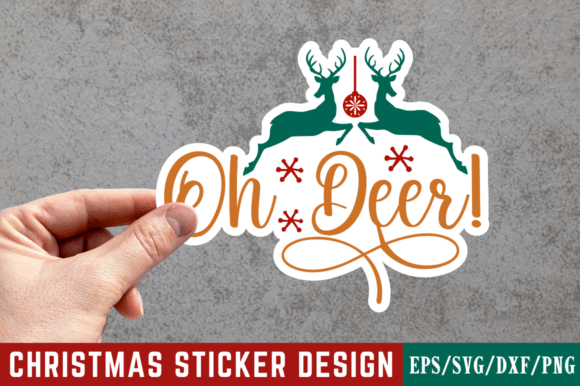
As a designer who spends more time staring at stitch maps than most people stare at their phones, I approach every new digital embroidery file with a mix of curiosity and skepticism. We've all been there: you download a cute graphic, load it into your software, and realize halfway through stitching that the density is all wrong or the details are too fine for the fabric you chose. That's why when I first encountered the Oh Deer SVG Design, I didn't just look at the preview image; I immediately started thinking about how it would translate from a vector graphic in the Crafts and Graphics category into a tangible, stitched reality.
The first impression of this design is its charming simplicity. It carries a whimsical, woodland mood that feels incredibly current for boutique branding and personalized gifts. The layout suggests a balance between playful character and clean lines, which is crucial for machine embroidery. Unlike some overly complex illustrations that turn into a bird's nest of thread breaks, this design appears to have a visual personality that respects the limitations of the needle while maximizing aesthetic appeal. For an Etsy seller or a small shop owner, this kind of "less is more" approach often translates to higher perceived value because the finished product looks crisp and professional rather than cluttered.
Real-World Application: The Custom Tote Bag Scenario
To truly evaluate the Oh Deer SVG Design, I imagined a specific real-life scenario that many of us face during the holiday rush: creating a batch of custom embroidered tote bags for a local farmer's market or a boutique gift shop. Tote bags are tricky; they often have a woven texture that can swallow up fine details if the stitch count isn't right.
In this hypothetical project, the deer motif would serve as the central hero of the bag. Because the design likely relies on clear shapes rather than microscopic detailing, it would perform exceptionally well on canvas or heavy cotton twill. I can visualize using a satin stitch for the outline to give it a premium, raised look, followed by a fill stitch for the body of the deer to ensure full coverage. The result would be a sturdy, washable handmade product that customers would feel confident carrying around. If you are selling these as part of a craft business, the durability of the stitch-out directly impacts customer trust and repeat business.
Beyond tote bags, this design screams versatility for custom apparel. Imagine it centered on a heather grey sweatshirt or a navy blue hoodie. The contrast potential here is huge. For sweatshirt embroidery, the design's likely moderate density means it won't make the fabric stiff or uncomfortable against the skin, a common complaint with cheap, over-digitized files. It would also shine as a baby embroidery element on a onesie or a nursery pillow cover, where softness and visual clarity are paramount for parents looking for that perfect personalized gift.
Technical Considerations and Fabric Challenges
However, no design is universally perfect without some adjustments. When working with the Oh Deer SVG Design, you need to be mindful of where you place it. If you are attempting this on a curved surface like a cap, the layout might need tweaking to prevent distortion. Caps are notorious for warping designs that are too wide or have uneven weight distribution. Similarly, if you are working with stretchy fabrics like jersey knits for t-shirts, the stitch density becomes critical. Too dense, and the fabric will pucker; too light, and the backing will show through.
I would advise caution if you plan to use this on very dark fabrics without checking your thread choices. While the design itself is strong, the visual pop depends entirely on high-contrast thread colors. A midnight blue deer on a black shirt might look muddy unless you utilize a metallic or brightly colored thread to define the edges. Furthermore, if the design includes any tiny lettering or intricate antler details, those areas could get lost on textured fabrics like looped towels or rough linen. In those cases, simplifying the path or increasing the size of the hoop size allocation might be necessary to maintain clarity.
Another factor to consider is the type of stitch execution. If the original file is intended as an applique design, you will need to factor in the extra steps of cutting and placing fabric, which adds time to your production cost. If it is a standard fill design, ensure your stabilizer game is strong. For items that will see frequent washing, like kitchen towels or aprons, a cut-away stabilizer is usually safer than tear-away to prevent the design from shifting or fraying over time.
Enhancing Brand Value and Customer Appeal
From a business perspective, the Oh Deer SVG Design offers a solid foundation for building a cohesive brand aesthetic. Consistency is key for small shop products. If you use this deer motif across various items—patches, pillows, and apparel—it creates a recognizable signature for your brand. This recognition fosters buyer engagement and makes your printable mockup galleries look more professional and curated.
The "giftability" factor is also high here. People love buying items that feel thoughtful and unique. A simple deer design avoids the trend-chasing trap of overly specific memes or dated phrases, giving your finished product a longer shelf life. Whether it's for holiday embroidery projects in December or spring-themed collections, the woodland theme remains evergreen. This longevity helps maximize the return on investment for your design assets.
Designer Notes for Success
Before you commit to stitching this on a client's expensive garment, here are a few practical steps I recommend:
- Test on Scrap Fabric: Always stitch a sample on the exact same material you plan to use for the final product. This reveals issues with tension and density that screens can't show.
- Check Thread Contrast: Lay out your physical thread spools against the fabric. What looks good on screen might lack punch in real life.
- Review Stitch Density: Look closely at the antlers or any fine lines. If they seem too tight, consider editing the file to reduce stitches in those areas.
- Confirm Hoop Size: Ensure the design fits comfortably within your hoop without needing constant re-hooping, which can lead to misalignment.
- Inspect Small Details: Zoom in on the digitized path. Are there unnecessary jumps or trims that will slow down your machine?
- Mockup Testing: Create black and white mockups to see if the design holds its shape without relying on color.
- Licensing Check: Since this falls under commercial embroidery potential, always verify the license terms provided with the download to ensure you are allowed to sell finished items or digital derivatives.
Ultimately, the Oh Deer SVG Design represents that sweet spot in the market: a design that is accessible enough for hobbyists but robust enough for commercial use. It invites creativity while demanding a bit of technical respect. By understanding its strengths and limitations regarding fabric texture, stitch types like running stitch or satin borders, and application contexts, you can turn a simple graphic file into a standout piece of art. Whether you are decorating a tote bag design for a friend or stocking inventory for your online store, this design has the potential to deliver a high-quality embroidered patch or garment that people will genuinely love to own.