Stoned to the Bone SVG: A Designer's Real-World Review
As a designer who spends more time staring at stitch maps than most people care to admit, I approach every new digital embroidery file with a mix of curiosity and skepticism. We have all been there: you buy a graphic that looks fantastic on a screen, only to find out it turns into a bird's nest of thread once it hits the fabric. Today, I am taking a close look at the Stoned to the Bone SVG Cut File. While this product is marketed primarily as a cut file for Cricut and Silhouette machines, my job is to evaluate its potential beyond the vinyl cutter. Can this graphic translate into a high-quality machine embroidery design? Does it hold up under the scrutiny of a commercial craft business? Let's dig into the details.
First Impressions: Mood and Visual Personality
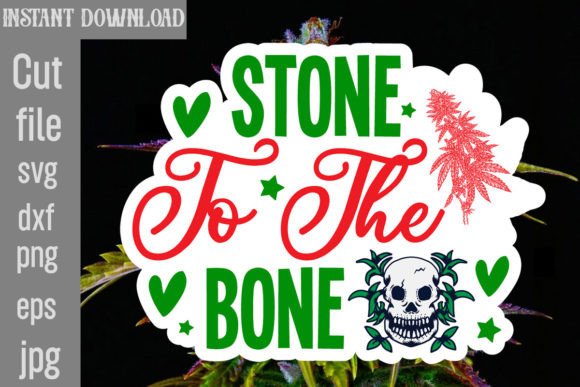
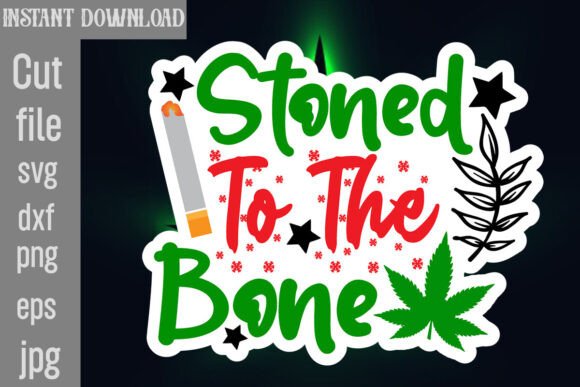
The moment I unzipped the file package, the first thing that struck me was the versatility of the formats included. Having the SVG File for Cricut, the DXF File for Silhouette, the EPS File Vector, and the high-resolution PNG File means this asset is ready for almost any workflow. Visually, the "Stoned to the Bone" theme carries a specific mood. It feels edgy yet playful, likely appealing to a demographic that appreciates humor in their custom apparel. The layout appears clean, which is crucial. In the world of Crafts and Graphics, clutter is the enemy of good stitching. A design that relies on bold shapes and clear lines usually translates better to thread than one dependent on microscopic details.
For an embroidery project, the visual personality suggests something perfect for a statement piece. It isn't a subtle background pattern; it is meant to be seen. This kind of boldness works exceptionally well when you are trying to create a handmade product that stands out on a crowded Etsy shelf or at a local craft fair.
Real-World Application: The Tote Bag Test
To truly understand the value of this file, I imagined a specific real-life scenario. Picture a local boutique owner who needs a quick turnaround on a line of reusable shopping bags for a summer market. They want something trendy but durable. This is where the Stoned to the Bone SVG Cut File shines, provided you adapt it correctly.
If you are using this as a vinyl appliqué, the process is straightforward. You would cut the design from heat transfer vinyl and press it onto a canvas tote bag design. The vector nature of the SVG ensures crisp edges, meaning no jagged lines that ruin the professional look. However, if you are digitizing this for embroidery (or if you are using it as a reference for a custom digitization), the application changes. On a heavy canvas tote, a dense fill stitch approach would give the text and graphics a premium, textured feel. The contrast between the smooth fabric and the raised thread adds significant product value.
I can also see this working beautifully on a oversized crewneck sweatshirt. Sweatshirt embroidery requires designs that can handle the loft of the fleece without getting lost. The bold lines inherent in this graphic style would sit nicely on top of the fabric texture, ensuring readability even from a distance. For a personalized gift, adding a name below the main graphic in a complementary font could elevate it from a generic print to a bespoke item.
Navigating Fabric and Stitch Challenges
While the design has strong potential, a responsible reviewer must point out where caution is needed. Not every surface is created equal. If you plan to use this on a cap or a curved surface, be mindful of the hoop size and the distortion that occurs on structured fronts. Small details might warp if the design is too wide.
Furthermore, consider the stitch density. If you are converting this graphic into stitches, avoid making the fill areas too dense. High density on stretchy fabrics like t-shirts can cause puckering, ruining the finished product. On dark fabrics, you will need to pay close attention to your thread colors. A light thread on a black hoodie looks striking, but if the underlying vector paths aren't clean, the dark fabric might peek through the stitches, breaking the illusion of solid color. Always test on scrap fabric first. There is no substitute for a physical test run to check how the stabilizer interacts with the material.
Another critical factor is washability. Items like kitchen towels or baby clothes undergo frequent laundering. If this design is applied as vinyl, the edges may eventually lift after dozens of washes. If embroidered, ensure the backing is trimmed close and the stitch type (perhaps a satin stitch border) is secure enough to withstand the agitation of a washing machine. For baby embroidery specifically, ensure that any small parts or dense stitching do not create a rough texture against sensitive skin.
Commercial Viability and Brand Consistency
For the Etsy seller or the small shop product creator, consistency is key to building customer trust. Using a high-quality source file like this ensures that every unit you produce looks identical. Whether you are making ten embroidered patches or fifty holiday embroidery gifts, the vector precision of the EPS and SVG files guarantees that your scaling remains accurate. You won't lose resolution when you enlarge the design for a pillow cover or shrink it for a pocket logo.
This level of professionalism directly impacts buyer engagement. Customers can spot a low-effort design from a mile away. By taking the time to properly execute a graphic like Stoned to the Bone, whether through precise cutting or careful stitching, you signal that you care about quality. This builds brand consistency and encourages repeat business. It transforms a simple graphic into a recognizable design asset for your brand.
Final Designer Notes and Best Practices
Before you commit to a full production run, here are a few practical steps I recommend. First, review the licensing terms carefully. Just because you purchased the digital download does not automatically grant unlimited commercial rights for every possible use case. Confirm whether you can sell the finished product or if there are restrictions on the number of items. Second, create mockups. Use the included PNG File to generate printable mockups for your online store listings. Seeing the design on a virtual model helps you gauge its visual appeal before you ever thread a needle.
Check the contrast. Does the design work in black and white? If the concept relies entirely on color gradients that cannot be replicated in thread or vinyl, you may need to simplify the layers. Finally, remember that while this is a versatile Graphics asset, its success in the Crafts world depends on your execution. Choose the right hoop size, select a stabilizer that matches your fabric weight, and always prioritize the longevity of the item.
In conclusion, the Stoned to the Bone SVG Cut File is a robust tool for the creative entrepreneur. It offers the flexibility needed for both vinyl cutting and embroidery adaptation. With thoughtful application and attention to material constraints, it can become a staple in your catalog of commercial embroidery projects and handmade goods. It is not just a file; it is a foundation for creating products that people actually want to buy and wear.